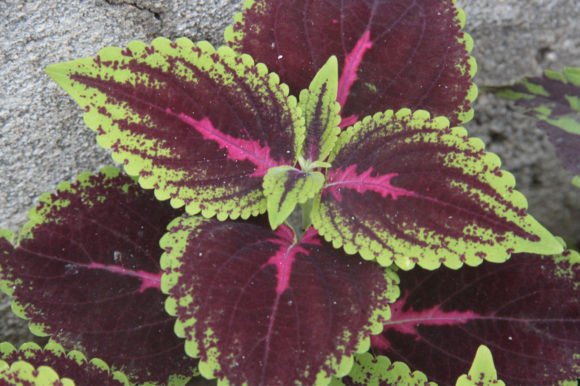
The Living Art: A Comprehensive Guide to Ornamental Plants in the Yard
When we step into a well-designed garden or walk through a meticulously maintained park, we are often struck by a sense of peace and aesthetic pleasure. This reaction is rarely accidental. It is the result of deliberate choices involving ornamental plants. But what exactly defines an ornamental plant? At its core, the term encompasses a vast array of botanical life. Ornamental plants include all plants, whether in the form of herbs, vines, bushes, shrubs, or trees, which are deliberately planted by people as components of parks, home gardens, room decoration, ceremonies, components of makeup clothing, or as components of flower arrangements. Even cut flowers can be included as ornamental plants.
Understanding this broad definition is the first step toward mastering the art of landscaping. Unlike agricultural crops grown strictly for food or fuel, ornamental plants are cultivated primarily for their visual appeal, fragrance, or symbolic value. They transform sterile spaces into living ecosystems that reflect personal taste, cultural heritage, and environmental consciousness.
Beyond Aesthetics: The Purpose and Significance of Ornamental Gardening
While beauty is the most obvious attribute of ornamental flora, their significance extends far deeper than mere decoration. In modern urban planning and residential design, these plants serve critical ecological and psychological functions.
Ecological Benefits
Ornamental gardens act as micro-habitats for local wildlife. By selecting native shrubs and flowering herbs, homeowners can support pollinators such as bees, butterflies, and hummingbirds. For instance, planting milkweed is not just a stylistic choice; it is a vital conservation effort for monarch butterflies. Furthermore, trees and large shrubs contribute to carbon sequestration, reduce urban heat islands, and manage stormwater runoff by absorbing excess rain into the soil.
Psychological and Social Impact
Research consistently shows that interaction with green spaces reduces stress, lowers blood pressure, and improves mental clarity. The act of gardening itself is a form of mindfulness. In community settings, shared ornamental spaces foster social cohesion, providing neutral grounds for neighbors to interact and collaborate. Whether it is a small balcony garden or a sprawling public park, these green oases are essential for maintaining mental health in our fast-paced digital world.
Categorizing Ornamental Plants: From Herbs to Trees
To effectively incorporate these plants into your yard, it helps to understand their structural categories. Each type offers unique advantages and requires specific care considerations.
- Trees: These are the backbone of any landscape. Deciduous trees provide seasonal color changes, while evergreens offer year-round structure and privacy. Examples include the Japanese Maple for delicate foliage or the Oak for majestic shade.
- Shrubs and Bushes: Versatile and dense, shrubs define boundaries and create layers in garden design. Hydrangeas, Boxwoods, and Azaleas are popular choices that can be pruned into formal shapes or left to grow naturally.
- Vines: Ideal for vertical gardening, vines maximize space in small yards. Climbing roses, Wisteria, and Ivy can soften hard architectural lines like fences and walls, adding a romantic, old-world charm.
- Herbs and Perennials: Often overlooked as purely culinary, many herbs are highly ornamental. Lavender, Rosemary, and Sage offer silvery foliage and aromatic blooms that deter pests while delighting the senses.
- Annuals and Cut Flowers: These plants complete their life cycle in one season but provide intense bursts of color. Marigolds, Zinnias, and Sunflowers are staples for cutting gardens, allowing homeowners to bring the outdoors inside through floral arrangements.
Practical Relevance in Modern Life and Design
Incorporating ornamental plants into daily life is not just a hobby; it is a lifestyle choice that intersects with technology, business, and creativity. Today’s gardeners have access to sophisticated tools and resources that make cultivation more accessible than ever before.
Technology and Smart Gardening
Modern technology has revolutionized how we care for ornamental plants. Smart irrigation systems use weather data to optimize watering schedules, conserving water while ensuring plant health. Mobile applications can identify plant species from photos, diagnose diseases, and remind users when to fertilize or prune. This integration of tech and nature allows even novice gardeners to maintain complex landscapes with confidence.
Creativity and Personal Expression
Your yard is a canvas. The selection of plants reflects your personality. A minimalist might prefer structured succulents and ornamental grasses, while a romantic might choose cascading vines and fragrant roses. This creative process encourages experimentation and learning. Understanding color theory, texture contrast, and seasonal bloom times turns gardening into an ongoing artistic project.
Economic Value
From a business perspective, well-landscaped properties have higher curb appeal and market value. Professional landscapers and nursery owners contribute significantly to the local economy. Moreover, the trend of "biophilic design" in corporate offices—integrating indoor ornamental plants into workspaces—has been shown to boost employee productivity and reduce absenteeism.
Common Misunderstandings and Clarifications
Despite their popularity, several myths persist about ornamental plants that can hinder successful gardening.
- "Ornamental means high maintenance." This is a common misconception. Many ornamental plants, particularly native species, are drought-tolerant and require minimal care once established. The key is choosing the right plant for the right place.
- "They serve no practical purpose." As mentioned earlier, many ornamental plants are edible or medicinal. Fruit trees, berry bushes, and culinary herbs blur the line between ornament and utility, offering both beauty and harvest.
- "You need a large yard." Vertical gardening and container planting allow for extensive ornamental displays in small spaces. Balconies, patios, and even windowsills can host vibrant collections of vines and potted shrubs.
Building a Broader Understanding: Sustainability and Future Trends
As climate change alters growing conditions, the role of ornamental plants is evolving. There is a growing movement towards sustainable landscaping, which prioritizes water conservation, soil health, and biodiversity. Gardeners are increasingly moving away from resource-intensive lawns toward diverse plantings that support local ecosystems.
Education plays a crucial role in this shift. Community gardens, school programs, and online workshops help disseminate knowledge about sustainable practices. By understanding the interconnectivity of plant life, soil microbes, and insects, we become better stewards of our environment.
Furthermore, the concept of "edible landscaping" is gaining traction. This approach integrates food-producing plants into ornamental designs. Imagine a front yard where kale shares space with ornamental cabbage, or where fruit trees are espaliered against a house wall for both aesthetic structure and fresh produce. This hybrid approach maximizes the utility of every square foot of land.
Conclusion: Cultivating Connection
Ornamental plants are more than just decorative elements; they are vital components of a healthy, balanced life. From the towering tree that shades your home to the delicate vine climbing your trellis, each plant tells a story of intention and care. By embracing the diversity of herbs, vines, shrubs, and trees, we create spaces that nurture both our spirits and our planet.
Whether you are a seasoned horticulturist or a beginner holding your first trowel, remember that gardening is a journey of continuous learning. Start small, observe closely, and let your curiosity guide your choices. For more detailed guides on specific plant varieties, consider visiting local extension services or reputable gardening forums. Your yard is waiting to become a masterpiece of living art.