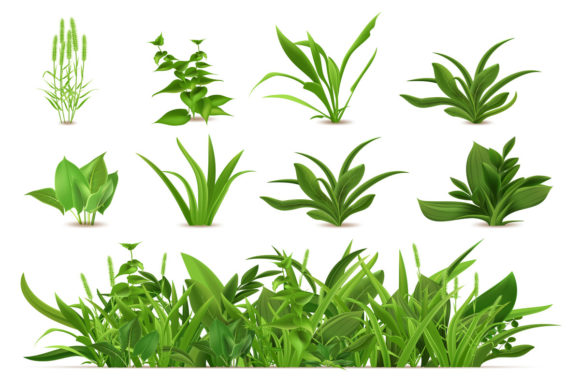
Green Realistic Spring Grass for Digital Art
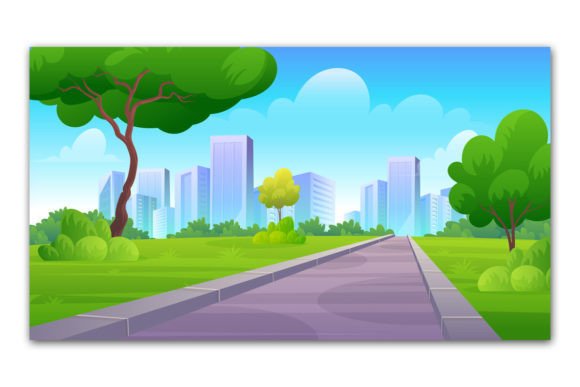
Creating vibrant, lifelike digital landscapes often hinges on the smallest details. While grand mountains and sweeping skies grab attention, it is the texture of the ground that grounds a scene in reality. Green Realistic Spring Grass offers designers, illustrators, and hobbyists a reliable way to add that essential layer of natural authenticity to their work. This resource is not just a simple clipart collection; it is a carefully curated illustration set designed to support eco-friendly, decorative, and environmental projects with precision and ease.
For many creators, finding high-quality botanical elements that do not look cartoonish or overly stylized can be a challenge. Standard stock images may lack the flexibility needed for custom compositions, while hand-drawing every blade of grass is time-prohibitive. This illustration set bridges that gap by providing a variety of grass, foliage, and bushes that are ready to incorporate into your designs. Whether you are building a website for a landscaping business, creating educational materials about nature, or designing packaging for an organic product, these assets provide the visual credibility your project needs.
Understanding the Asset Package
Before diving into creative applications, it is helpful to understand exactly what is included in this product. The package is designed for compatibility and ease of use across different software platforms. It contains two primary file types:
- One EPS10 file: This is a vector-based format, which is crucial for professional design work. Vector graphics allow you to scale the grass and foliage elements to any size without losing quality. You can stretch a small tuft of grass to cover a large banner or shrink it down for a mobile icon, and it will remain crisp and clear.
- 72ppi Resolution JPEG as a preview: This file serves as a quick reference image. It allows you to view the contents of the set easily without opening heavy design software, making it convenient for organizing your digital library.
The inclusion of the EPS10 format is particularly valuable for beginners and professionals alike. It means you are not locked into specific pixel dimensions. If you are new to vector editing, you might initially use the JPEGs for mockups, but as you grow more comfortable with tools like Adobe Illustrator or Inkscape, the EPS file becomes an indispensable tool for creating scalable, print-ready designs.
Why Natural Elements Matter in Design
In today’s visual landscape, there is a growing demand for authenticity. Audiences are increasingly drawn to brands and content that feel grounded, sustainable, and connected to the earth. Using Green Realistic Spring Grass helps tap into this psychological preference. The color green is universally associated with growth, harmony, and freshness. When used correctly, it can evoke feelings of calm and trust.
However, not all green assets are created equal. Artificial-looking greens can make a design feel cheap or disconnected from its message. This set focuses on realism, capturing the subtle variations in tone and shape that occur in nature. This attention to detail supports projects that aim to communicate environmental responsibility, health, or organic quality. For entrepreneurs and small business owners, this visual alignment can strengthen brand identity and resonate more deeply with eco-conscious consumers.
Practical Applications for Creators
The versatility of this illustration set makes it suitable for a wide range of contexts. Here are several practical ways you can integrate these elements into your workflow:
Digital Marketing and Web Design
If you are managing a blog or website focused on sustainability, gardening, or outdoor lifestyles, these graphics can enhance your visual storytelling. Use the foliage and bushes to create custom headers, break up text sections, or frame call-to-action buttons. The realistic style ensures that your site maintains a professional appearance while feeling inviting and organic.
Print Media and Packaging
Because the core file is vector-based, it is ideal for print projects. Imagine designing labels for herbal teas, organic skincare products, or seed packets. The ability to scale the grass elements means they will look sharp on both small business cards and large posters. Educators can also use these assets to create engaging worksheets or presentations about biology and ecology, providing students with accurate visual references.
Social Media Content
Freelancers and marketers often need to produce high volumes of visual content quickly. Having a library of pre-made, high-quality grass and bush illustrations allows for rapid composition. You can layer these elements over photos to create depth, or use them as standalone graphics for quotes and announcements. The variety included in the set ensures that your social media feed does not look repetitive.
Tips for Effective Implementation
To get the most out of Green Realistic Spring Grass, consider a few best practices during the design process. First, pay attention to lighting and perspective. Even though these are illustrations, they should interact logically with other elements in your composition. If your background image has light coming from the left, ensure your grass elements have compatible shading or are placed in areas where lighting direction is less critical.
Second, avoid overcrowding. Realism thrives on negative space. Instead of covering every inch of your canvas with foliage, use the bushes and grass to guide the viewer’s eye toward the main subject. Think of these elements as framing devices rather than the focal point, unless the nature itself is the subject.
Finally, experiment with color adjustments. While the default green tones are realistic, your specific project might require a warmer or cooler palette. Since you are working with vector files, adjusting the hue and saturation is straightforward and non-destructive. This flexibility allows you to match the assets perfectly with your brand colors or seasonal themes.
Considerations Before You Begin
While this set is user-friendly, there are important factors to keep in mind. Ensure your design software supports EPS10 files. Most modern vector editors do, but if you are using older or very basic tools, you may need to convert the files first. Additionally, remember that the JPEG preview is low-resolution and intended only for reference. Always use the EPS file for your final output to maintain quality.
Also, consider the context of your audience. If you are designing for a highly technical scientific publication, ensure that the species represented align with the geographic region you are discussing. For general decorative or commercial use, the artistic realism provided here is usually more than sufficient and often preferred for its aesthetic appeal.
By integrating Green Realistic Spring Grass into your toolkit, you gain a flexible, high-quality resource that saves time and elevates the visual impact of your projects. Whether you are a seasoned designer or just starting your creative journey, these elements offer a simple yet effective way to bring the freshness of spring into your digital and print work.