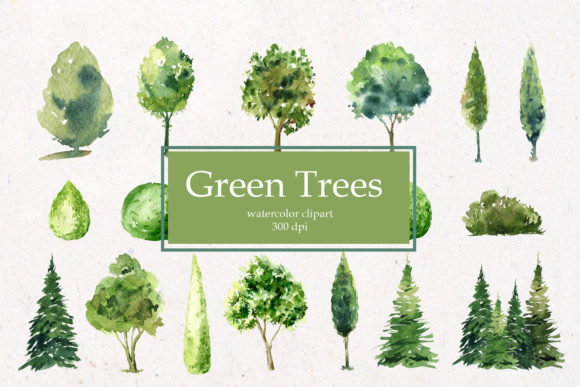
Unlocking Creative Potential with a Watercolor Trees Clipart Set
In the rapidly evolving world of digital design, the demand for authentic, hand-crafted aesthetics has never been higher. As creators move away from sterile, vector-perfect graphics, there is a noticeable shift toward organic textures and soft, fluid visuals. At the heart of this trend lies the Watercolor Trees Clipart Set, a collection that bridges the gap between traditional artistic expression and modern digital utility. This resource is not merely a bundle of images; it is a versatile toolkit designed to elevate projects ranging from professional branding to personal keepsakes.
The appeal of watercolor art lies in its unpredictability and warmth. Unlike rigid digital shapes, watercolor illustrations carry the subtle imperfections of human touch—bleeding edges, varying opacity, and natural color gradients. When these elements are digitized into high-quality assets, they offer designers and hobbyists alike the ability to infuse their work with a sense of calm and elegance. Understanding how to effectively utilize these assets requires a look at their technical specifications, aesthetic qualities, and diverse applications across various industries.
The Technical Foundation of High-Quality Digital Assets
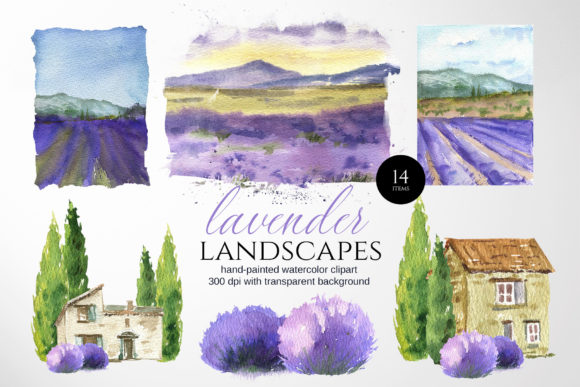
To truly leverage the power of digital clipart, one must understand the technical backbone that makes these files usable in professional workflows. A premium Watercolor landscape design elements package typically includes items saved in PNG format with transparent backgrounds. This transparency is crucial because it allows the illustrations to be layered seamlessly over any background color or texture without the unsightly white boxes that often plague lower-quality JPEGs.
Furthermore, resolution plays a pivotal role in the versatility of these assets. A standard set offering 300 DPI (dots per inch) ensures that the images remain crisp and clear whether they are viewed on a high-resolution retina display or printed on physical media. For instance, when creating large-format posters or wedding invitations, low-resolution images can appear pixelated and amateurish. By providing 36 individual items at 300 DPI, a comprehensive clipart set ensures that every leaf, petal, and branch retains its delicate detail regardless of the final output size.
The inclusion of diverse elements such as trees, bushes, plants, flowers, and arches provides a modular approach to design. Rather than being locked into a single pre-composed scene, users can mix and match these components to create unique compositions. This modularity is essential for creators who need to maintain brand consistency while avoiding repetitive visuals. The ability to rotate, resize, and recolor these elements within design software adds another layer of customization, making each project distinct.
Elevating Event Stationery and Personal Invitations
One of the most prominent use cases for nature-inspired clipart is in the realm of event stationery. Weddings, bridal showers, and birthdays are milestones that benefit greatly from personalized, thoughtful design. The wonderful springtime aesthetic offered by watercolor trees and flowers aligns perfectly with the themes of renewal and celebration often associated with these events.
For wedding invitations, the soft hues of watercolor foliage can create a romantic and inviting tone. Designers can use arched tree branches to frame the couple’s names, creating a natural border that draws the eye inward. Similarly, for bridal showers, delicate flowers and light greenery can be scattered around the text to add whimsy without overwhelming the information. The key here is balance; the clipart should enhance the readability of the invitation, not distract from it.
Beyond weddings, these elements are ideal for birthday cards and baby announcements. The gentle nature of watercolor art suits the innocence and joy associated with new life and growing up. Parents and party planners can use these assets to create cohesive themes across save-the-dates, menus, place cards, and thank-you notes. This consistency helps in building a memorable experience for guests, showing attention to detail that mass-produced templates often lack.
Branding and Identity for Small Businesses
Small brands and shops often struggle to establish a visual identity that feels both professional and approachable. Watercolor illustrations offer a solution by adding a human touch to corporate materials. For businesses in the wellness, organic food, handmade crafts, or boutique retail sectors, the natural imagery of bright landscapes and botanical elements resonates deeply with their target audience.
Consider a small artisanal soap company. Using watercolor lavender and eucalyptus illustrations on their packaging can communicate the natural ingredients and handcrafted quality of their products. Similarly, a local coffee shop might use watercolor trees on their loyalty cards or menu boards to evoke a sense of community and relaxation. These visual cues help customers form an emotional connection with the brand, distinguishing it from larger, more impersonal competitors.
Moreover, these assets are invaluable for social media marketing. In a feed dominated by bold, high-contrast graphics, a post featuring soft watercolor textures can stand out by offering a moment of visual rest. Small business owners can use these clipart sets to create quote graphics, promotional banners, and story highlights that maintain a cohesive aesthetic. The versatility of having 36 individual items means that content can remain fresh and varied without requiring constant new photoshoots or expensive custom illustrations.
Enhancing Educational and Hobbyist Projects
Educators and researchers also find significant value in high-quality nature illustrations. In educational materials, accurate yet engaging visuals can aid in learning. For biology lessons, watercolor depictions of different plant species can make textbooks and worksheets more appealing to students. The artistic style reduces the intimidation factor of dense scientific information, making learning more accessible and enjoyable.
For hobbyists involved in scrapbooking and journaling, digital clipart offers a hybrid approach to creativity. Many enthusiasts now use digital planning tools on tablets, where they can drag and drop watercolor elements to decorate their daily logs. The transparent PNG format allows these elements to blend naturally with digital paper textures, mimicking the look of traditional scrapbooking without the mess of glue and scissors. This digital-analog hybrid method is increasingly popular among those who want the aesthetic of handmade journals with the convenience of digital editing.
Personal bloggers and content creators also benefit from these resources. A lifestyle blog focusing on mindfulness, gardening, or home decor can use watercolor trees as header images or section dividers. These visuals break up long blocks of text, improving readability and keeping the reader engaged. The organic feel of the illustrations aligns well with content that promotes slowing down and appreciating nature.
Best Practices for Integrating Watercolor Elements
To get the most out of a Watercolor Trees Clipart Set, it is important to follow certain design principles. First, consider color harmony. While watercolor art is known for its blending colors, placing too many vibrant elements together can create visual chaos. It is often effective to choose a dominant color palette and use the clipart to accentuate rather than dominate the design. For example, if the primary brand color is navy blue, using watercolor greens and soft yellows can provide a pleasing contrast.
Second, pay attention to scale and proportion. Large, detailed tree illustrations work well as background elements or focal points, while smaller flowers and leaves are better suited for borders or subtle accents. Mixing sizes creates depth and interest, guiding the viewer’s eye through the composition. Experimenting with layering different elements can also produce unique textures and shadows, adding dimension to flat digital designs.
Finally, respect the integrity of the original artwork. While resizing and rotating are standard practices, avoid stretching the images disproportionately, which can distort the natural flow of the watercolor strokes. If color adjustments are necessary, use overlay modes in design software to tint the images while preserving their texture and transparency. This ensures that the hand-painted quality remains intact, maintaining the authentic feel that makes these assets so desirable.
In conclusion, the integration of Watercolor landscape design elements into creative projects offers a myriad of benefits. From enhancing the emotional resonance of wedding invitations to strengthening the brand identity of small businesses, these assets provide a flexible and aesthetically pleasing solution. By understanding the technical specifications and applying thoughtful design principles, creators can unlock the full potential of these illustrations. Whether for professional commercial use or personal enjoyment, the beauty of watercolor trees and flowers continues to inspire and elevate digital content across all platforms.