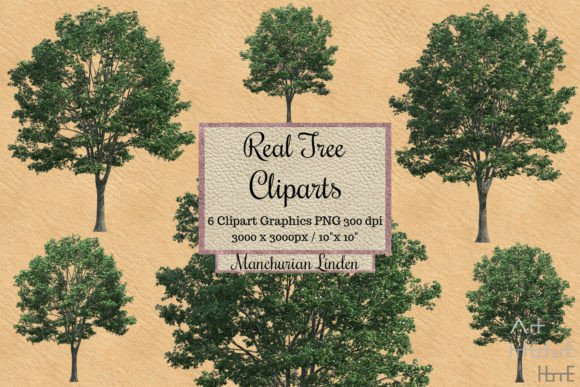
Real Tree Cliparts Manchurian Linden
Adding a touch of organic elegance to digital or physical projects often requires more than just a generic leaf icon. This is where high-quality, specialized assets like the Real Tree Cliparts Manchurian Linden come into play. For creators who value authenticity and detail, these overlays offer a sophisticated way to incorporate nature into designs without the hassle of photography or complex illustration. Whether you are a seasoned graphic designer, a small business owner creating branding materials, or a hobbyist working on a scrapbook, understanding the utility of these specific tree cliparts can significantly elevate your work.
The Manchurian Linden, known scientifically as part of the Tilia genus, is a tree native to much of the temperate Northern Hemisphere. In Europe, it is commonly referred to as linden, while in North America, similar species are called basswood. It is important to note that despite being called "lime trees" in Britain and Ireland, they are not related to the citrus fruit. This botanical distinction adds a layer of educational value when using these images for educational materials or nature-themed projects. The greatest diversity of this genus is found in Asia, making the Manchurian variety a unique and visually distinct choice for those looking to move beyond standard oak or pine imagery.
Why Quality and Format Matter in Digital Design
When selecting digital assets, the technical specifications are just as important as the aesthetic appeal. The 6 Real Tree Cliparts PNG - Transparent Background Real Tree Overlays are designed with professional standards in mind. Each image is provided in PNG format, which is crucial for maintaining transparency. Unlike JPEGs, which have a solid background, PNGs allow you to place the tree directly onto any color, texture, or photograph without unsightly white boxes around the edges. This feature alone saves hours of editing time for users of all skill levels.
Furthermore, the resolution plays a pivotal role in versatility. Each file measures 10 x 10 inches (25.4 x 25.4 cm) at a crisp 300 dpi (dots per inch). This translates to a pixel dimension of 3000 x 3000 pixels. Why does this matter? A 300 dpi resolution is the gold standard for printing. It ensures that when you scale these images for large prints, such as posters, banners, or architectural drawings, the edges remain sharp and the details do not become pixelated. With a total package size of around 120 MB, these files retain rich detail, capturing the subtle nuances of the tree’s structure and foliage.
Versatile Applications for Creators and Entrepreneurs
The true value of these cliparts lies in their adaptability. Because the package includes six different PNG files, each featuring a unique look with varying sun shadows on the trees, you have a mini-library of natural elements at your disposal. Here is how different users can leverage these assets:
- Print-on-Demand Businesses: Entrepreneurs selling custom merchandise can use these overlays for vinyl decals, stickers, and fabric prints. The high resolution ensures that designs look professional on t-shirts, tote bags, and home decor items.
- Wedding and Event Planners: Creating cohesive wedding props, invitations, and cards becomes easier with consistent, high-quality botanical elements. The soft sun shadows add depth and realism, making flat designs feel more immersive.
- Architects and Interior Designers: These cliparts are ideal for architectural drawings and floor plans where realistic vegetation is needed to contextualize a building within its environment. They can also be used in digital renderings for client presentations.
- Educators and Bloggers: For those creating web backgrounds or educational content about botany, these images provide an accurate representation of the Tilia genus. They can be used in e-books, online courses, or blog headers to break up text and add visual interest.
- Crafters and Hobbyists: Users of cutting machines like Cricut can utilize these designs for intricate paper crafts, decoupage projects, and scrapbooking. The clear outlines make them easy to trace and cut.
Enhancing Visual Depth with Natural Shadows
One of the standout features of this specific collection is the inclusion of sun shadows. In graphic design, lighting is what separates amateur work from professional-grade visuals. Flat images often look artificial because they lack interaction with light sources. By providing six different looks with varied sun shadows, these cliparts allow you to match the lighting direction of your existing composition. If your background photo has light coming from the left, you can choose the overlay that mimics that same direction. This attention to detail creates a seamless blend between the digital asset and your project, enhancing the overall realism.
For beginners, this might seem like a minor detail, but it profoundly impacts the viewer’s perception. When designing for engraving or printable designs, considering how light interacts with the subject can add a three-dimensional quality to two-dimensional media. This makes the Real Tree Cliparts Manchurian Linden particularly useful for projects where depth and atmosphere are key components of the design narrative.
Practical Considerations Before You Start
Before integrating these files into your workflow, there are a few practical things to keep in mind. First, ensure your software supports high-resolution PNG files. Most modern design tools, including Adobe Photoshop, Illustrator, Canva, and Procreate, handle these formats effortlessly. However, if you are using older or simpler web-based editors, check their import limits to ensure they can handle 3000 x 3000 pixel files without lagging.
Secondly, consider the context of your project. While the Manchurian Linden is a beautiful tree, it has a specific leaf shape and growth pattern. If you are aiming for botanical accuracy in an educational setting, these images are excellent. If you are going for a stylized, abstract look, you might need to adjust colors or apply filters to match your brand palette. The neutral tones of the tree bark and leaves make them highly adaptable to various color schemes, but always preview the overlay against your background to ensure sufficient contrast.
Finally, remember that these are digital overlays. They are not vector files, so while they are high resolution, they should not be scaled up infinitely beyond their 3000 x 3000 pixel limit without potential loss of quality. For most standard uses, from web graphics to large-format prints, this size is more than sufficient. By understanding the strengths and limitations of these assets, you can maximize their potential and create stunning, professional-looking designs with ease.